The Mountain We Built with Our Own Hands : A Letter from Ghazipur

I remember the first time I saw the Ghazipur landfill.
I was passing by in a cab on the way to Anand Vihar. The driver casually pointed out the window and said,
"Madam, that’s Delhi’s Everest."
We both laughed. But I couldn’t unsee it.
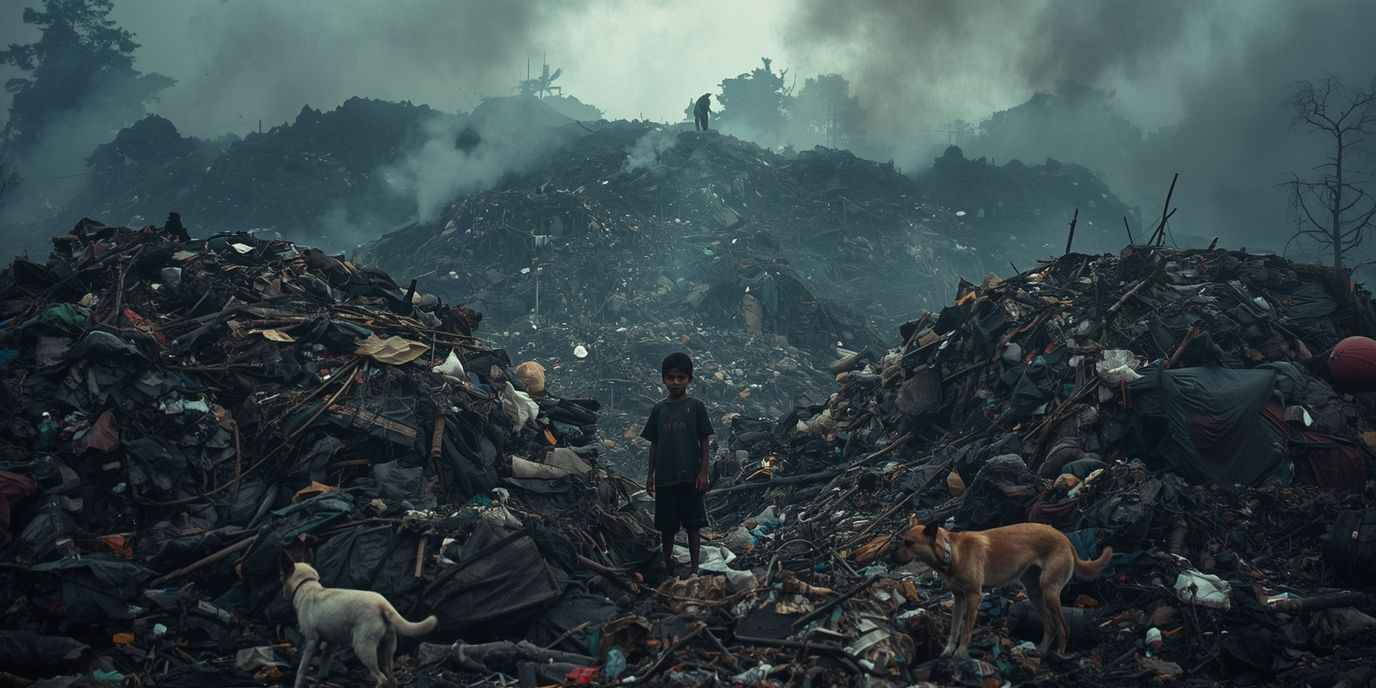
There it was a big mountain of waste, towering at nearly 65 meters, competing with the Qutub Minar. But this wasn’t built by engineers or architects. This was built by us. You. Me. Every plastic wrapper we tossed, every "chalta hai" moment, every forgotten dustbin.
And the worst part? It’s still growing.
Ghazipur: Not Just a Landfill, But a Mirror
People call it “Ghazipur landfill,” but let’s be honest, it’s a wound. A wound that’s been ignored for over 35 years. What started as a dumpsite in 1984 has now grown into a garbage mountain so massive, it’s visible from airplanes landing at IGI.
But do you know what’s scarier than the mountain?
Our normalization of it.
We pass it by. We cover our noses. And we move on.
We scroll through Instagram, liking climate change reels, sharing Earth Day quotes and then we order takeout with six plastic containers and two paper-thin tissues we didn’t need. We’re woke online, but wasteful offline.
And Ghazipur? It’s silently collecting proof of our double lives.
Some Facts You Can’t Ignore Let’s cut the fluff for a second.
● Ghazipur receives over 2,000 tonnes of waste daily. That’s like 400 elephants worth of trash every single day.
● It emits dangerous gases like methane, which caused a landslide in 2017, killing two innocent lives.
● It contaminates the soil, air, and even underground water, meaning people living nearby are literally breathing and drinking poison.
● And yet... it keeps growing. If not stopped, experts say it could cross the height of the Taj Mahal by 2028.
That’s not science fiction. That’s our future.
But Let’s Make This Personal. Because It Is.
This isn’t about stats anymore.
This is about us.
Your favorite cold coffee? The straw and plastic cup probably made it to Ghazipur.
That impulsive fast fashion order? The packaging and return plastic? Ghazipur.
The sanitary napkin you wrapped in five layers of newspaper before throwing it. Ghazipur.
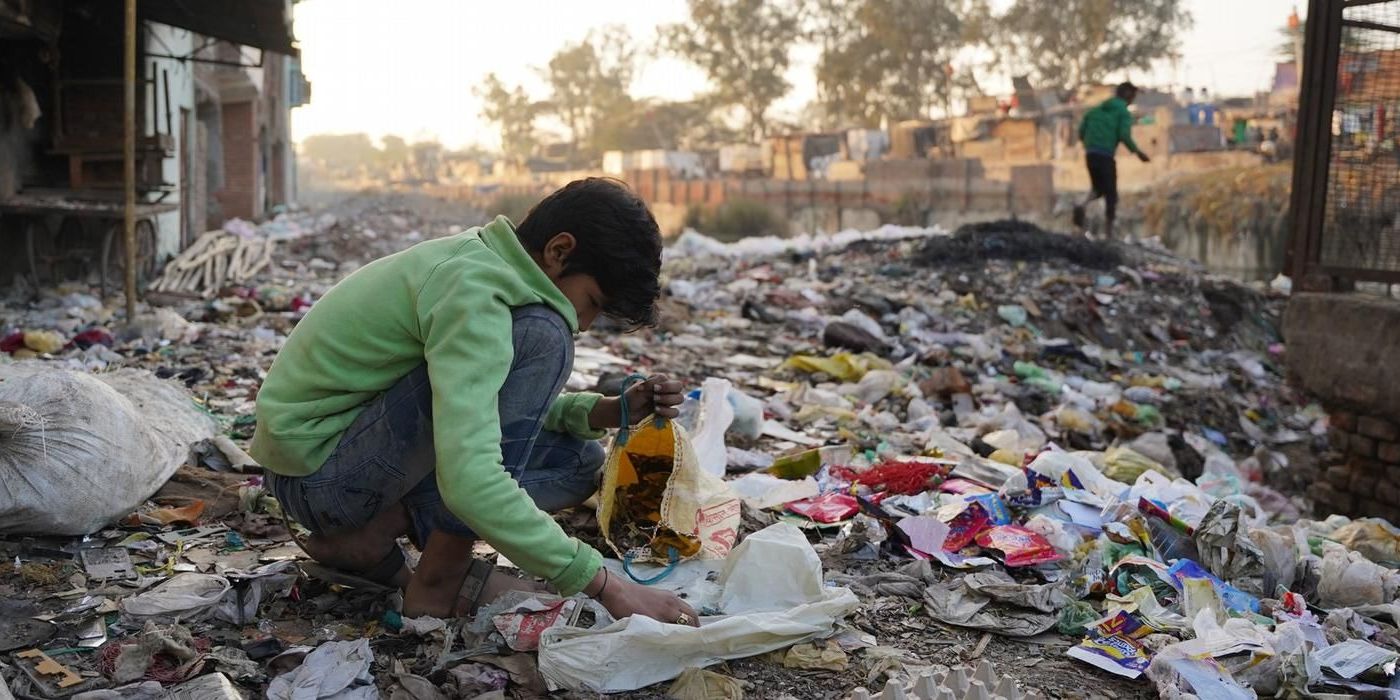
We act like waste disappears when it leaves our sight. But it doesn’t. It piles up. It leaks into drains. It poisons animals. It burns slowly, choking the kids living in the nearby colonies who’ve never even heard of “climate action.”
So next time you think “It’s just one spoon / one sachet / one bag”, remember that Ghazipur is made up of “just ones.”
Why the Youth Needs to Care?
We’re the generation that built an empire of filters, but it’s time we remove the one over our eyes.
This isn’t someone else’s problem. This isn’t some politician’s headache. This is our legacy.
We are inheriting a world where landfills grow faster than forests.
And the saddest part? We’re not just ignoring it but we’re accepting it. Normalizing it. Laughing it off. But guess what?
We are powerful enough to un-build what we’ve built.
We’ve started movements on Instagram, cancelled celebrities, changed trends overnight. Imagine what we could do if we redirected just 10% of that energy toward waste.
So What Can You Do? Yes, You
Let’s be real. We’re not going to turn into zero-waste saints overnight. But every choice matters:
● Say no to disposables such as cups, spoons, straws.
● Carry a cloth bag. It’s not uncool, it’s unbothered and aware.
● Stop ordering from brands that wrap their products in 5 layers of plastic.
● Support sustainable small businesses.
● Compost your kitchen waste. It’s easier than you think and no, it doesn’t smell if done right.
● Start talking about Ghazipur. Not just reposting it on Earth Day.
And the next time you pass that mountain, don’t cover your nose and move on.
Stop. Look at it. And ask yourself, “Am I part of the problem, or the solution?”
A Final Thought!
There’s a kid who lives in the shadow of Ghazipur. He plays cricket with his friends near the garbage hill. To him, that mountain is just part of life. He doesn’t even question it anymore.
That’s the scariest thing of all that when injustice becomes invisible. We cannot let this be our normal. We cannot let our generation be remembered as the one who watched trash pile up taller than monuments and said, "Oh well."
Let’s be remembered as the generation that looked at the mountain and that broke it down, that cared enough to change.
Your Ghazipur