Eco-Anxiety: How Climate Change Affects Youth Mental Health

The Climate Crisis
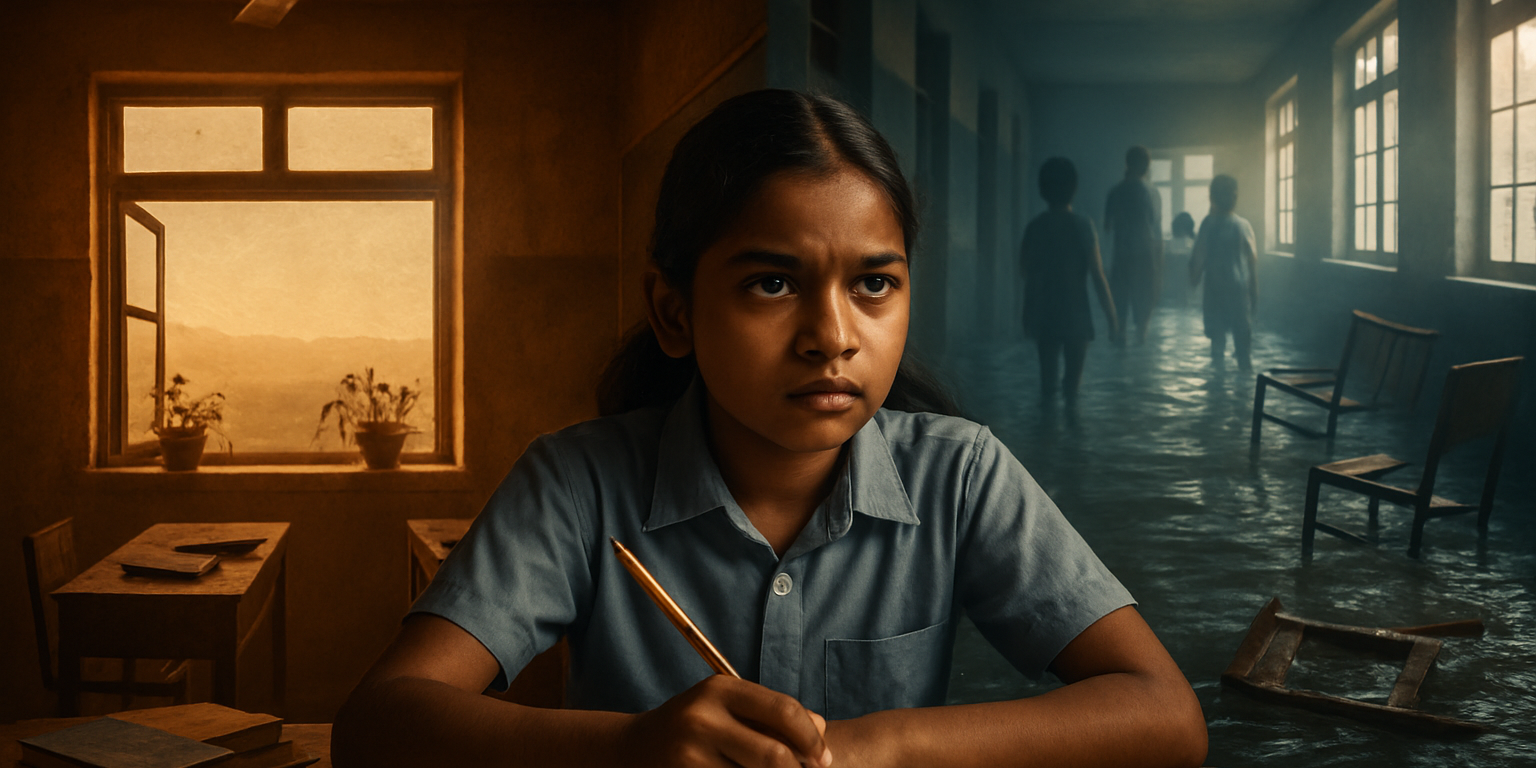
“I want you to panic. I want you to feel the fear I feel every day and then I want you to act.” Greta Thunberg’s quote captures the attention of numerous young people when they see news about wildfire, floods, or melting ice caps. The world is shaking and their future, uncertain. This is also causing deep emotional stress. This rising fear is called eco-anxiety. It’s more than just worry–If we could measure the weight of stress or anxiety on those people who care deeply about the world, it would be overwhelming. For many of us, it’s a mixture of grief, anxiety, and helplessness that grows stronger with every new disaster. Many of us are asking: will there be a safe place left for us to grow up in?
ECO- ANXIETY Eco-Anxiety means feeling stressed, worried and even hopeless because of environmental problems like climate change. It’s not a mental illness but it is a concrete issue. Many people are concerned about the damage being done to nature. They also feel stressed because the news is full of disasters like floods, landslides, and pollution. Over time, This feeling builds up and turns into anxiety– all these feelings together are what makes Eco-Anxiety.
Mental Health Impact of Eco-Anxiety
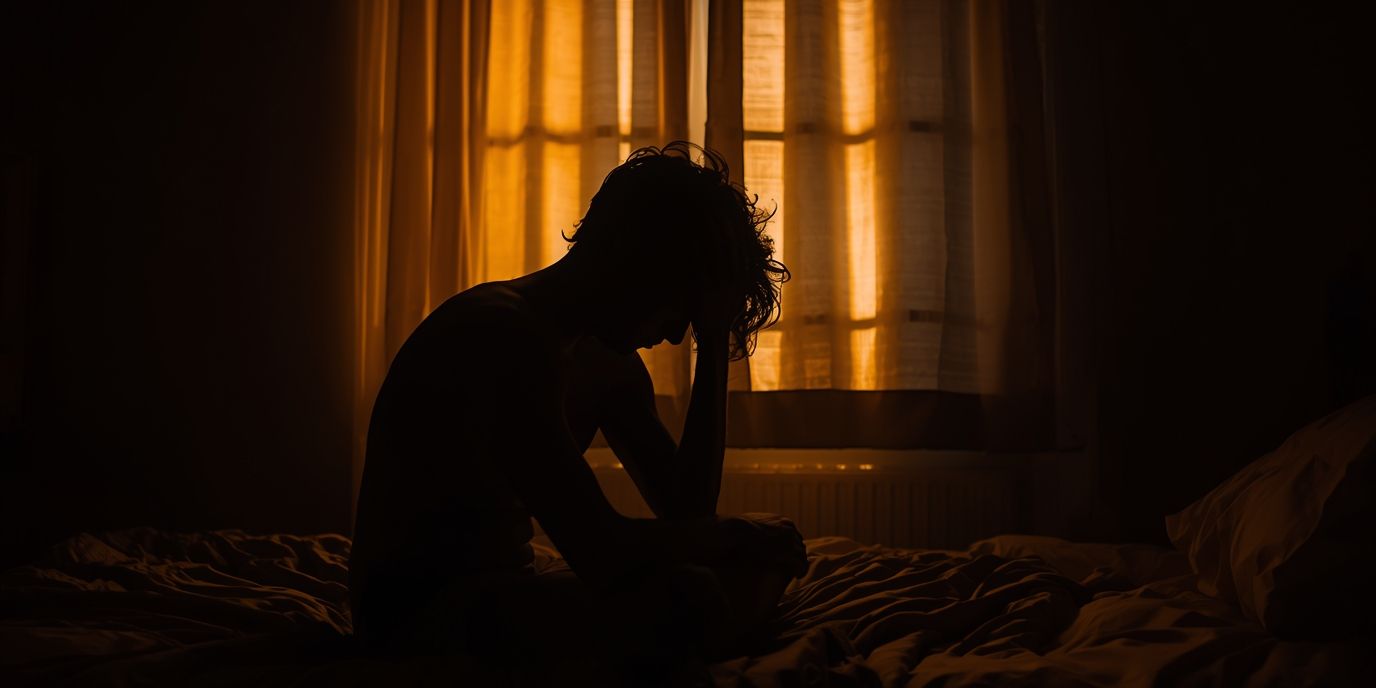
Eco-Anxiety can harm both physical and mental health. Many people feel hopeless, sad, or powerless when they see the environment being destroyed and don’t know how to stop it. These emotions build up over time, leading to stress, tiredness, or even depression. In 2021, some universities found that over 70% of students said that they suffered from eco-anxiety. In the same year, A survey asked 10,000 students from 10 different countries how they felt about it. Almost 60% were extremely concerned about climate change. Many also said they felt sad, afraid, or anxious, and about 40% said they were uncertain if they wanted to have children in the future. Children are surrounded by parents, friends etc. They can help them to understand the world and take small steps toward change. These steps can shape a better future and be part of a bigger revolution.
Case Studies/ Real Life
Greta Thunberg: Our House Is on Fire -
Jan 25, 2019
“I don’t want your hope. I want you to panic... and act as if the house is on fire. Because it is.” Greta thunberg said. She alerted the world leaders that we are running out of time. According to IIPC, we have less than 12 years to overcome our mistakes and reduce CO₂ emissions by at least 50%.
She criticised that both politicians and media have failed to acknowledge the climate issue. And emphasised that we still have time left to turn everything upside down. Currently, we are facing the disaster of not taking steps that are causing suffering for an enormous amount of people. She emphasized not to take any more polite steps but bold decisions here.
Greta said we need to stop greenhouse gas emissions and act fast. We must prioritize this as important as we do money and growth.
This is a wake-up call for the world to take climate seriously because it is.
Global Youth Survey
A Global Survey of 10,000 young people (aged 16-25 years) across 10 countries, including India, Australia, Brazil, Finland, France, Nigeria, Philippines, Portugal, the UK, and the USA. They ask what they know and feel about climate change. They see their government taking any initiative to overcome it.
● 59% reported that They were very and extremely worried
● 84% reported that They were at least moderately worried
● 50% reported their emotions: sad, anxious, angry, powerless, helpless, and guilty.
● 45% reported that Climate Change negatively affected their daily life
● 75% agreed that the future is frightening
● 83% said that They have failed to take care of the planet
Climate Crises in the Philippines.
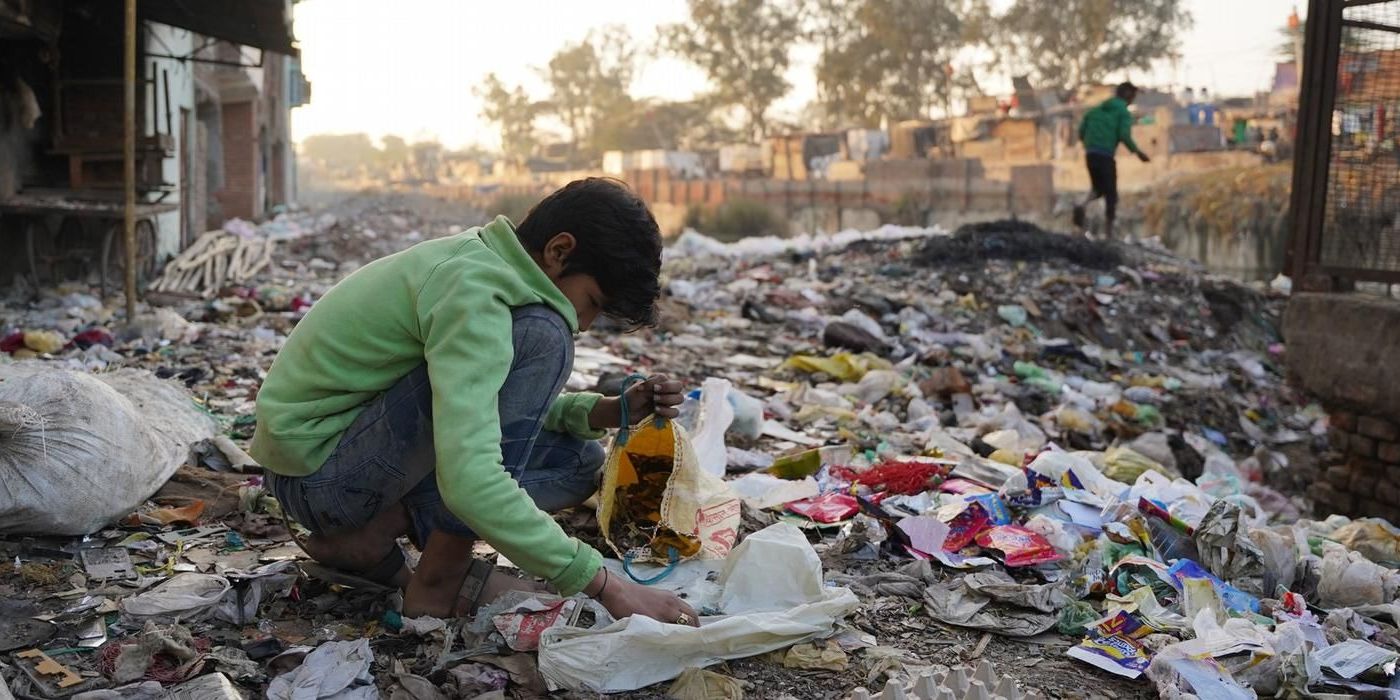
The Philippines is facing a triple planetary crisis: Climate Change, environmental pollution, and biodiversity loss. According to the World Risk Report 2024, 74% of the people of the Philippines are currently at the high risk for utmost natural disasters. Children are suffering from it.
● The Philippines have the highest level of eco-anxiety among children.
● 97% of children have faced 3 or more disasters and 77% experienced 4 or more.
● Only 48% of the people in the Philippines have access to safe drinking water and 63% have safe sanitation. The numbers continue to decline.
How to cope with Eco-Anxiety
● Focus on what you control- Do small things like use less plastic, build sustainability habits, and share your thoughts with other people. Small actions make a big impact.
● Avoid Overload- Don’t take over the burden. Focus on a few issues. This prevents stress and burnout.
● Practice Compassion- Look after yourself. It’s okay to feel disappointment and anxiety. Don’t push yourself harder to get results.
● Take a break from climate news- Don’t need to plug-in all the time. Go outside and spend time with friends.
● Connect with others- Engage yourself with others. You’ll feel less alone and more hopeful.
● Talk to someone- If you are feeling heavy then talk to friend, family or therapist.
Is Eco-Anxiety Always Negative?
A university of Oregon study found that Climate change can be scary and overwhelming, but it is not always vicious. In fact, it can motivate young people to take climate action.
Emmanuel Maduenme, a researcher at the University of Oregon, found that moderate levels of climate anxiety can encourage young students to take environmental action. His study shows that media consumption enhances climate anxiety. Many people are worried about climate change. It’s often seen as a problem even though too much worry can make people stuck and do nothing. He says this worry is normalized among students and can be used in a good way.
Emmanuel Maduenme's research suggests that the more time individuals spend on social media or other media platforms, the higher their levels of climate anxiety. He also believes the media should focus on solutions, not just problems. Youth movements like Fridays for Future, It shows that young people can lead.
Conclusion
Eco-anxiety is real, especially among young people. It shows that people genuinely care about the planet. Instead of letting this feeling fade without purpose, we can use it to take small steps, connect with communities, and turn anxiety into hope. We all have a role to play—start with one step toward a healthier future.